Introduction
In current years, the appeal of Nang Tanks-- also known as Nitrous Oxide (N2O) tanks or cream chargers-- has surged, especially among those looking for a quick burst of laughter or a wonderful culinary experience. These little cylinders are frequently used in both recreational and culinary contexts, leading many to question their ecological implications. This post will look into The Environmental Impact of Nang Tank Production and Usage, exploring not only the production processes included however also the more comprehensive eco-friendly repercussions of their extensive use.
The Ecological Impact of Nang Tank Production and Usage
When thinking about the environmental effect of any item, it's necessary to examine its entire lifecycle-- from production through to disposal. The production of Nang Tanks involves a number of phases that can substantially impact our world's health.
1. The Production Process of Nang Tanks
A. Raw Products Sourcing
The materials utilized in manufacturing Nang tanks, including steel or aluminum for the canisters, are extracted from natural resources. Mining these metals can cause habitat damage, soil disintegration, and water pollution.
B. Manufacturing Emissions
The production procedure emits greenhouse gases (GHGs) that add to climate change. Factories producing N2O Nang Tanks might release harmful emissions if appropriate policies aren't followed.
C. Transport Footprint
Transporting ended up products needs energy-- usually nonrenewable fuel sources-- which adds another layer of carbon emissions to their ecological footprint.
2. Nitrous Oxide: The Gas Inside
A. What is Nitrous Oxide?
Nitrous oxide (N2O), commonly referred to as laughing gas or whippits, is a potent greenhouse gas with over 300 times the warming capacity of carbon dioxide over https://rentry.co/2oybpkwg a century.
B. Emission Sources
While nitrous oxide is naturally occurring in the environment, human activities-- including farming and commercial procedures-- considerably increase its levels.
3. Usage Patterns: Leisure vs Culinary
A. Recreational Use and Its Consequences
Many individuals misuse Nang tanks for recreational functions, breathing in nitrous oxide for its euphoric results. This practice presents threats not only to personal health but likewise raises questions about societal standards regarding compound use.
B. Cooking Applications
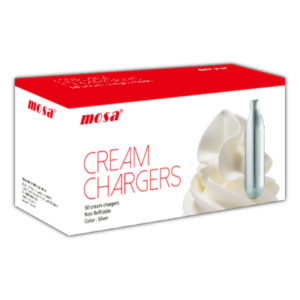
In contrast, utilizing Nang tanks for culinary functions-- such as whipping cream-- might appear less worrying; however, it still contributes to total demand and production practices that damage the environment.
4. Waste Management Challenges
A. Disposal Issues
Improper disposal of empty Nang canisters can cause substantial waste management challenges, particularly when they wind up in garbage dumps where they may take years to decompose.
B. Recycling Opportunities
Fortunately, numerous regions have actually established recycling programs for metal containers like those utilized for N2O; nevertheless, participation rates stay low, making complex efforts to alleviate environmental impacts.
5. Regulative Frameworks
Governments worldwide are starting to manage nitrous oxide use due to its environmental repercussions and possible for abuse. These laws vary commonly by region and typically figure out how items are marketed and distributed.
6. Alternatives to Nang Tanks
As awareness grows around the ecological effect of Nang tank production and usage, numerous options are emerging:
- Eco-friendly whipped cream dispensers Plant-based whipping agents Manual whipping techniques that do not depend on gas
FAQs About Nang Tanks
1. What are Nang tanks mainly used for?
Nang tanks, or nitrous oxide containers, are mainly used in culinary applications such as light whipping cream however are likewise misused recreationally for their euphoric effects.
2. Are Nang tanks ecologically friendly?
While some elements of Nang tank usage might appear harmless, their production contributes significantly to greenhouse gas emissions, making them less environmentally friendly than one might think.
3. How does nitrous oxide add to climate change?
Nitrous oxide is a powerful greenhouse gas that traps heat in the environment; it has a warming capacity more than 300 times higher than co2 over a century.
4. Can Nang canisters be recycled?
Yes! Many metal Nang canisters can be recycled; nevertheless, appropriate disposal practices need to be followed to guarantee they're processed correctly.
5. What regulations exist around Nang tank distribution?
Regulations vary by region however generally aim to control usage due to health dangers connected with leisure inhalation and environmental concerns connected to production emissions.
6. Are there healthier alternatives to using Nang tanks for whipping cream?
Yes! There are numerous environmentally friendly alternatives readily available such as manual whisks or plant-based whipping agents that do not rely on gas cylinders.
Conclusion
As we've checked out throughout this article on The Ecological Impact of Nang Tank Production and Usage, it's clear that while these small cylinders serve popular functions in both culinary thrills and leisure use, they carry considerable environmental costs-- from resource extraction through manufacturing emissions all the way down to squander management problems post-usage.
Understanding these impacts empowers customers and producers alike to make educated options progressing-- whether it's going with recycled packaging services or pursuing alternative approaches completely when creating whipped thrills in the house without relying on harmful gases like nitrous oxide.

As public awareness increases about both health risks related to abuse and the environmental ramifications connected directly back into our choices surrounding items like Nang tanks, we need to make every effort towards more sustainable practices that respect our planet while delighting in life's little satisfaction responsibly!